Environmental improvement usually has to be weighed against cost. Lighting is one of the places where that trade-off is weakest, because the energy saved is the same thing as the money saved — the two numbers move together.
Energy and emissions
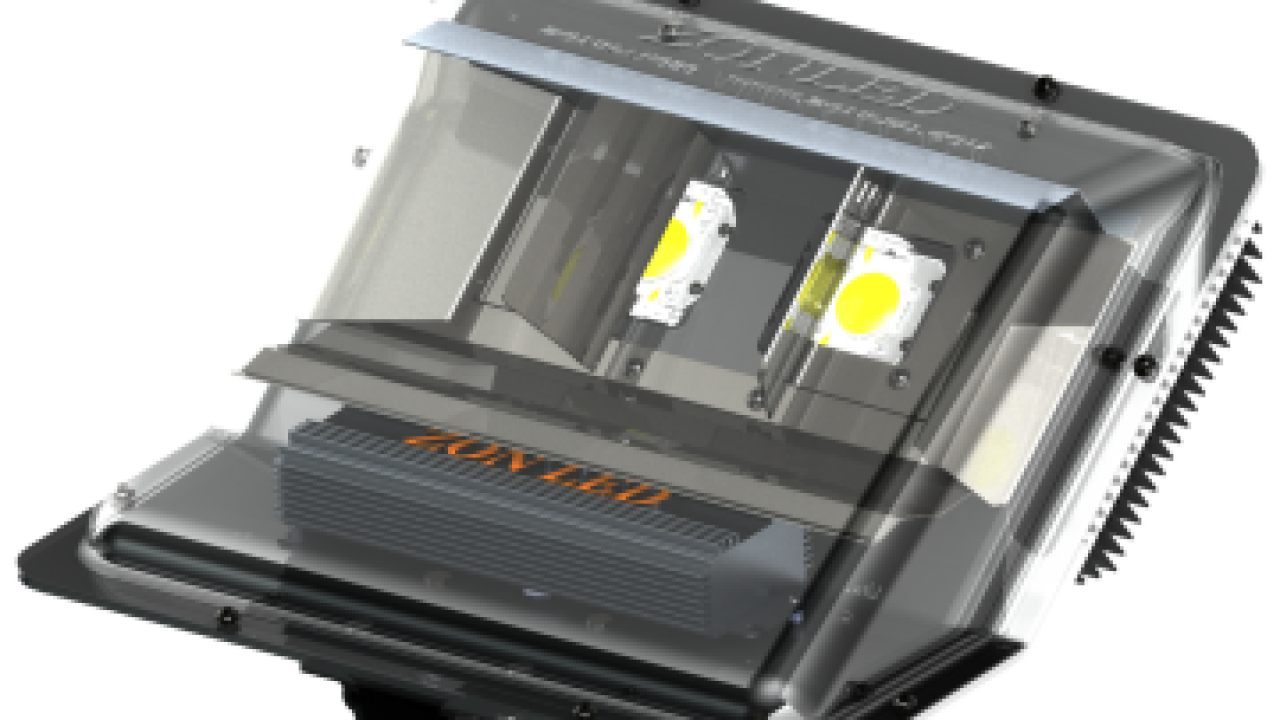
LED fixtures of this type cut energy use by up to 70%. Each conventional high bay light replaced can save as much as 25,000 kWh of electricity and remove about 18 tons of greenhouse gas emissions over its life. For a single fixture that is modest; across hundreds or thousands of fittings in an industrial building it is the dominant part of the site’s lighting footprint.
Mercury free, lead free
Unlike most conventional high bay lighting, these fixtures contain neither mercury nor lead, which reduces risk to the people handling them and keeps the material out of landfill. A thousand fixtures installed in place of discharge lamps keep up to 650,000 mg of mercury out of the waste stream over a ten-year period — worth remembering alongside the fact that a single teaspoon of mercury is enough to contaminate a twenty-acre lake permanently.
No ultraviolet, no infrared
Ultraviolet is not something people expect to meet indoors, yet commercial lighting commonly emits a significant amount of it, with consequences for eyes and for materials. LED fixtures of this kind emit no ultraviolet and no infrared radiation at all, which also explains why they run cool enough to reduce a building’s air-conditioning load.